Your Next-Day Package Might Be Sitting Three Miles Away — Here's Why That Actually Matters
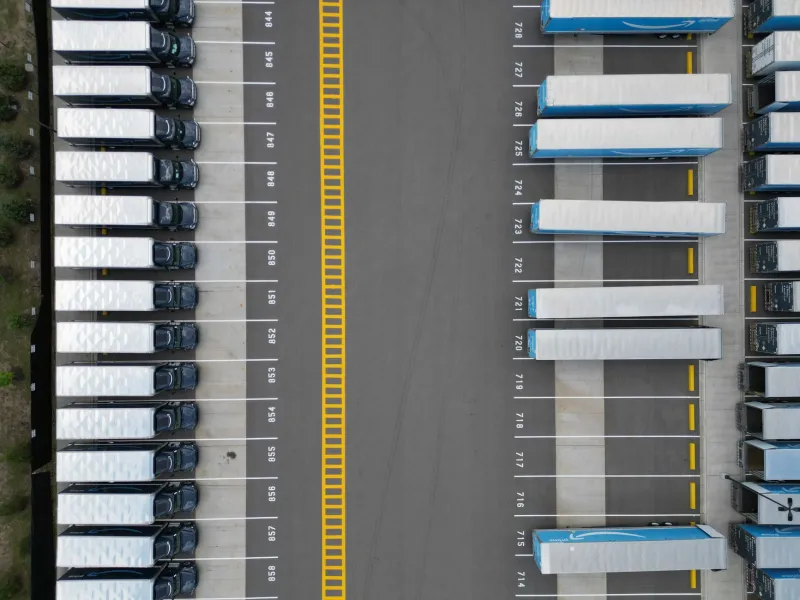
Somewhere between the big-box store that closed on your main street and the apartment complex going up on the edge of town, there's a good chance a fulfillment center has quietly moved into your neighborhood. It probably doesn't have a sign. You wouldn't know it from the outside. But if you've noticed your online orders arriving faster lately — sometimes the same day you clicked 'buy' — that nondescript building might be exactly why.
Major online marketplaces have been running a real estate strategy that doesn't get nearly enough attention. While everyone focuses on the massive distribution hubs outside of cities, the more interesting game is happening much closer to home.
The Rise of the Micro-Warehouse
Traditional fulfillment infrastructure is built for scale. Giant warehouses positioned near highway intersections in the Midwest or outside major metros can ship to most of the continental US within two or three days. That model works fine — until consumers start expecting their orders by dinnertime.
To hit those faster windows, marketplaces have been investing heavily in what the logistics industry calls "last-mile" infrastructure. The idea is pretty straightforward: instead of shipping a package 800 miles from a central hub, you pre-position popular inventory in smaller facilities closer to where people actually live. Cut the distance, cut the time.
These micro-fulfillment centers — sometimes no bigger than a neighborhood pharmacy — have been popping up in converted retail spaces, underutilized industrial lots, and even former fast-food locations across the country. Cities like Atlanta, Dallas, Phoenix, and Chicago have seen notable expansions of this kind of infrastructure, but the trend is showing up in mid-sized metros and even some suburban markets too.
For shoppers, the pitch is simple: faster delivery. For the companies running the operation, the math is about capturing more of your routine purchases — groceries, household staples, personal care items — before you even think about driving to a store.
What's Actually Inside These Places
Don't picture a miniature version of those sprawling Amazon warehouses you've seen in news footage. Micro-fulfillment centers are built for efficiency over volume. They typically stock a curated selection of fast-moving products — the stuff people order repeatedly and predictably. Think paper towels, phone chargers, common over-the-counter medications, and kitchen basics.
The inventory is often managed with a surprising level of automation. Robotic picking systems, dense vertical shelving, and algorithmic restocking mean a relatively small footprint can process a high volume of orders quickly. Some facilities run with minimal human staff during off-peak hours.
The tradeoff? You're not going to find niche or specialty items in these locations. If your order contains a mix of everyday goods and something more specific — say, a common shampoo and a replacement part for an older appliance — those items might ship from completely different locations, which is why your "one order" sometimes arrives in multiple boxes on different days.
Does Proximity Actually Mean Faster Delivery?
Here's where things get interesting, and honestly, a little more honest than the marketing suggests.
Having a warehouse nearby is a necessary condition for same-day delivery, but it's far from sufficient. The actual speed of your delivery depends on a tangle of other factors: how many orders are ahead of yours in the queue, local driver availability, traffic patterns, and whether the specific item you ordered is actually stocked at the nearby facility versus a more distant one.
There's also the question of what "same-day" really means. Ordering a blender at 11 PM and expecting it before midnight technically qualifies as same-day if it arrives before the clock flips — but that's not the experience most shoppers are imagining when they see that badge on a product listing.
Some logistics researchers have pointed out that the last mile — the final leg of delivery from local facility to your door — is actually the most expensive and least predictable part of the entire shipping chain. More warehouses don't automatically solve that bottleneck. They just move it closer to you.
What This Means for Your Neighborhood
The infrastructure buildout isn't happening in a vacuum. Residents near newly converted fulfillment centers have raised real concerns about increased truck traffic, noise during overnight restocking runs, and the visual impact of industrial activity in areas that weren't zoned with that use in mind.
In some cities, local zoning boards have pushed back on conversions — particularly when a beloved neighborhood anchor like a grocery store or a community shopping center gets repurposed into a logistics node. The tension between "faster shipping for consumers" and "livable neighborhoods" is a genuine policy debate that's still playing out in city councils across the country.
There's also a workforce dimension. Micro-fulfillment centers typically employ fewer people per square foot than traditional retail, which means a neighborhood might gain delivery infrastructure while losing the kind of jobs that used to come with a retail anchor.
How to Actually Use This to Your Advantage
None of this means you should stop shopping online or feel bad about wanting your order quickly. But understanding the system can help you shop smarter.
Pay attention to delivery estimates, not delivery promises. The specific estimated window shown at checkout is more reliable than a generic "same-day eligible" badge. If the estimate says "arrives by 9 PM today" and you're ordering at 7 AM, that's a real signal. If it says "same-day" but can't commit to a window, manage your expectations accordingly.
Check whether your items are shipping from the same location. Many marketplace checkout pages will show you if items are being fulfilled separately. If delivery speed matters, consider splitting your order strategically — prioritize what you actually need fast.
Understand what "free" same-day delivery is really subsidizing. The economics of ultra-fast local delivery are still being figured out by most companies. Membership programs, subtle product price adjustments, and delivery minimums are all ways that the cost of that micro-warehouse three miles from your house gets passed along eventually.
The Bigger Picture
The local fulfillment center boom is one of the more tangible ways that the online shopping economy is physically reshaping American communities. It's easy to think of e-commerce as something that happens in the cloud, but those promises of same-day delivery are grounded in very real buildings, trucks, workers, and zoning decisions.
As a shopper, you're not just clicking a button — you're participating in a logistics ecosystem that's still being built in real time, one converted strip mall at a time. Whether that's exciting or unsettling probably depends on how close that new warehouse is to your backyard.