Thrift Gets a Tech Upgrade: How Resale Platforms Are Stealing Shoppers from the Big Guys
Not too long ago, buying used stuff online felt like a gamble. Blurry photos, vague descriptions, and the lingering hope that the seller wasn't completely making it up. Fast forward to today, and resale platforms have become some of the slickest, most intuitive shopping experiences on the internet. And shoppers — especially younger ones — are absolutely eating it up.
The secondhand market in the US is projected to hit $70 billion by 2027, according to ThredUp's annual resale report. That's not a rounding error. That's a full-blown economic shift, and the traditional marketplace heavyweights are starting to sweat a little.
Why Shoppers Are Making the Switch
Let's be honest: a lot of this comes down to money. With inflation still pinching household budgets and the cost of everything from groceries to rent stubbornly high, paying full retail for a pair of sneakers or a kitchen appliance feels increasingly hard to justify — especially when a gently used version is sitting three clicks away at 40% off.
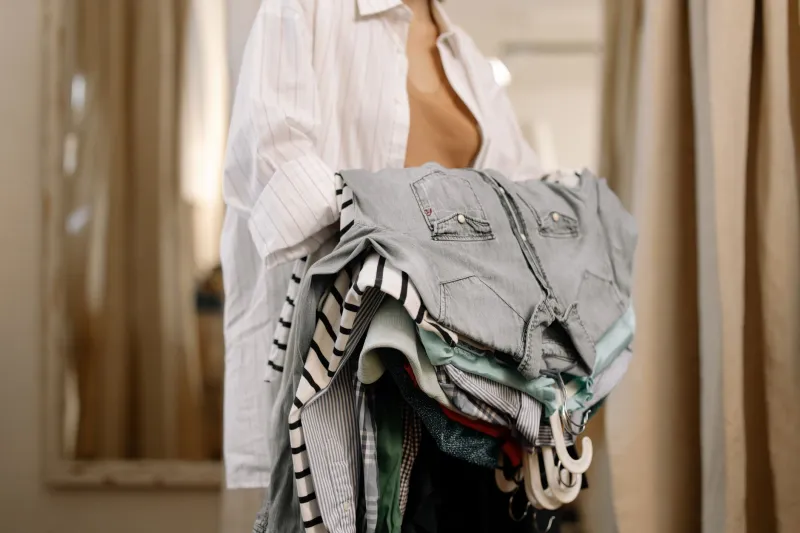
But it's not only about price. There's a real values shift happening, particularly among Gen Z shoppers. Studies consistently show that younger consumers care about sustainability, and buying secondhand fits neatly into that worldview. Every pre-owned hoodie that finds a new home is one that didn't end up in a landfill. That narrative resonates, and platforms like Depop, Poshmark, Mercari, and ThredUp have leaned into it hard.
Depop, for instance, built an entire aesthetic around the idea that your closet should be as unique as your personality. It's less a shopping app and more a social experience — you follow sellers, like listings, and browse curated feeds. That's a fundamentally different vibe than scrolling through a traditional marketplace results page.
The Logistics Puzzle Nobody Warned Them About
Here's where things get complicated. Selling a new iPhone case in bulk from a warehouse is logistically straightforward compared to managing millions of one-of-a-kind items spread across individual sellers' living rooms. Every resale listing is essentially its own little supply chain problem.
Shipping inconsistencies are a constant headache. One seller packs items meticulously in bubble wrap; another throws a fragile ceramic mug into a reused Amazon box with a single sheet of tissue paper. Platforms have tried to standardize this with prepaid shipping labels, seller ratings, and fulfillment partnerships, but the reality is that peer-to-peer selling is inherently unpredictable.
Authentication is another massive challenge. Luxury resale platforms like The RealReal and StockX have invested heavily in verification processes to combat counterfeits, but that adds cost and slows down transactions. For lower-priced items, full authentication isn't economically viable, so platforms rely on buyer reviews and dispute resolution systems — which work great until they don't.
Return policies are also murkier in the resale world. Many peer-to-peer platforms operate on a final-sale basis, which is fine when everything goes smoothly but leaves buyers in a tough spot when something arrives damaged or wildly different from the listing photos.
What the Big Players Are Doing About It
The traditional giants haven't exactly been sitting on their hands. Amazon launched Amazon Warehouse for open-box and used products. eBay, which arguably invented the peer-to-peer resale model, has been reinvesting in seller tools and authentication services for trading cards, sneakers, and luxury goods. Even Walmart has dabbled in resale partnerships.
But here's the thing — none of those moves have the organic authenticity that dedicated resale platforms carry. When you open Poshmark, you know exactly what you're there for. The entire experience is built around the secondhand mindset. Bolting a used-goods section onto a massive general marketplace feels a little like adding a vintage rack to a Costco. Technically it's there, but it doesn't quite fit.
That said, traditional platforms do have real advantages: established trust, robust buyer protection programs, and logistics infrastructure that smaller resale apps simply can't match. If something goes wrong on a major marketplace, you generally know there's a customer service team ready to make it right. That peace of mind still counts for a lot.
The Shopper Who's Actually Winning Right Now
Here's a perspective worth considering: the savviest shoppers aren't choosing one model over the other — they're using both strategically. Need a brand-new blender with a manufacturer warranty? Traditional marketplace, easy call. Looking for a vintage Levi's jacket or a barely-used stand mixer at half the retail price? Resale platform, no question.
The key is knowing what each platform does well. Resale sites reward patient, flexible shoppers who aren't locked into a specific item. You might not find the exact model you wanted, but you'll probably find something close for significantly less. Traditional marketplaces reward shoppers who need something specific, fast, and reliably delivered.
What This Means for Your Shopping Routine
If you haven't seriously explored resale platforms yet, it might be worth a look — especially for categories like clothing, electronics, home goods, and collectibles. Apps like Mercari and OfferUp make it genuinely easy to search, filter, and buy from local or national sellers, and the savings can be substantial.
A few quick tips if you're new to the resale world: always read seller reviews thoroughly, look for listings with multiple clear photos, and don't be afraid to ask sellers questions before committing. Most platforms have messaging features built in specifically for this reason.
The resale boom isn't a fad. It's a structural change in how Americans think about ownership, value, and consumption. The platforms that figured this out early are reaping the rewards — and the traditional players are taking notes whether they admit it or not.