Refund Roulette: How to Win the Return Battle Before You Even Hit 'Buy'

Photo: Erik Calonius, Public domain, via Wikimedia Commons
Let's be honest — returning something you bought online shouldn't feel like filing your taxes. And yet, here we are. You ordered a blender that arrived looking nothing like the photos, and now you're wading through a 12-step return process, a prepaid label that mysteriously costs you $8.99, and a seller who's ghosting your messages harder than a bad Tinder date.
This is the reality of online marketplace returns in 2024, and it's messier than most shoppers realize. The good news? Once you understand how the system actually works — and where the traps are hidden — you can shop smarter and fight back when things go wrong.
Why Returns Are Such a Nightmare to Begin With
Here's the thing most people don't realize: when you shop on a big marketplace platform, you're often not buying directly from that platform. You're buying from a third-party seller who happens to be listed on that platform. And that distinction matters enormously when something goes wrong.
The platform sets a baseline return policy, but individual sellers can layer their own rules on top — sometimes stricter, sometimes more generous. That means two identical-looking listings for the same product might have wildly different return experiences depending on who's actually fulfilling the order.
Add in the fact that return policies can vary by product category (electronics, for instance, are notorious for shorter windows), and you've got a patchwork system that's confusing by design.
The Fine Print Nobody Reads (But Should)
Before you get burned, here are the sneaky conditions that trip up shoppers constantly:
Restocking fees. Some sellers charge anywhere from 15% to 25% of the item's purchase price just to accept it back. This is especially common with electronics, furniture, and specialty equipment. A $200 item could cost you $50 just to return — even if it arrived damaged.
Return windows that start at purchase, not delivery. This one is subtle but brutal. If a seller's policy says "30-day returns" and your item takes 10 days to arrive, you've already burned a third of your window before you even opened the box.
"Opened" vs. "unopened" conditions. Many sellers only accept returns on items in original, sealed packaging. If you opened the box to discover the product was defective, you might still be stuck with a partial refund — or none at all.
Final sale categories. Certain product types — think personalized items, intimate apparel, digital downloads, and some health products — are frequently listed as non-returnable. These exclusions are often buried several paragraphs deep in the seller's return policy.
Platform-Level Protections You Can Actually Use
Here's where savvy shoppers have an advantage. Most major marketplace platforms have buyer protection programs that operate above the individual seller's policy. If a seller refuses a legitimate return, you can often escalate directly to the platform and get a resolution in your favor — but only if you know how to play it.
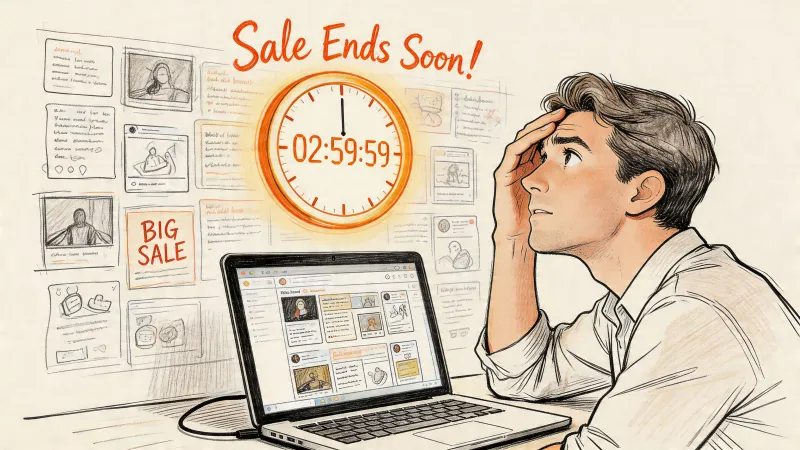
The key is timing. Don't wait until day 29 to raise a dispute. Most platform protections have their own windows, and if you miss them, you're back to negotiating with the seller alone.
Also worth knowing: if you paid with a credit card, you have a second layer of protection through your card's dispute process. Chargebacks exist for a reason. If a seller sends you a product that's materially different from what was described, that's a legitimate dispute — and most card issuers side with the buyer.
Strategies to Protect Yourself Before You Purchase
The best return strategy starts before you buy. Here's a practical checklist:
Read the return policy on the actual product listing, not the platform's general page. Scroll past the photos and price — most marketplaces display the seller's specific return window and conditions right on the listing. If you can't find it, that's a red flag.
Check the seller's ratings specifically for fulfillment issues. One-star reviews that mention "never received a refund" or "return label never arrived" are worth more than a dozen five-star reviews praising the product itself.
Screenshot everything. Before you buy, screenshot the listing, the price, the product description, and the return policy. If the seller later claims the product was described differently or disputes your return request, you've got receipts.
Favor sellers with platform-backed fulfillment when possible. Items fulfilled directly through the platform (rather than shipped by the seller) typically come with more straightforward return processes and faster resolutions.
Pay attention to product condition listings. "Like new," "refurbished," and "open box" items often come with different — and more restrictive — return terms than new products.
When You're Already Stuck: How to Escalate Effectively
If you've already got a return nightmare on your hands, don't panic — but do act fast. Start by contacting the seller directly through the platform's messaging system (not email, not phone — keep everything on-platform so there's a documented record). Give them one clear, calm message explaining the issue and what resolution you're requesting.
If they don't respond within 48 hours or refuse your request, escalate to the platform's buyer protection team immediately. Include your screenshots, your order number, and a concise summary of what went wrong. Platforms want to keep buyers happy — a well-documented complaint gets resolved far faster than a vague one.
And if all else fails, your credit card dispute process is your nuclear option. Use it.
The Bottom Line
Online marketplaces have made shopping incredibly convenient, but they've also made returning things way more complicated than it needs to be. The sellers who make returns difficult are counting on buyer fatigue — the hope that you'll give up before you get your money back.
Don't give them that win. A few minutes of due diligence before you buy, combined with knowing your escalation options, can save you a serious headache down the road. At ShopSpot Daily, we believe you should feel confident in every purchase — and that starts with knowing the rules of the game before you play.