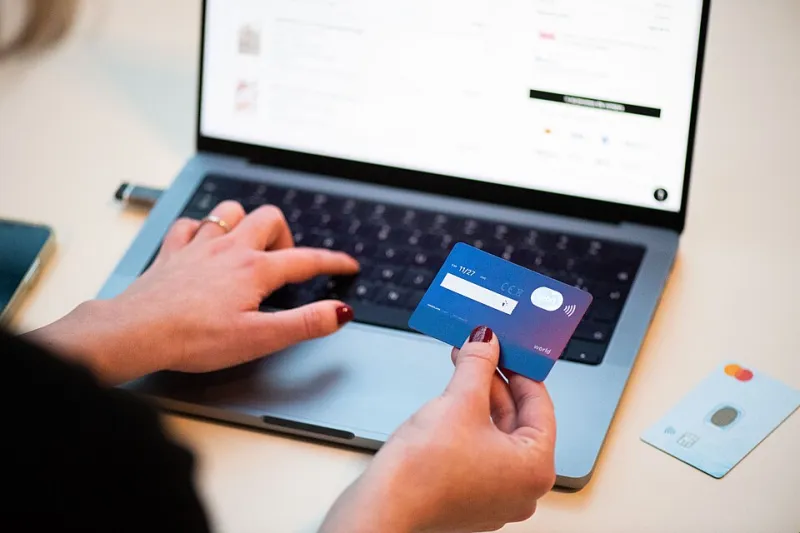
Click, Wear, Return, Repeat: How Retailers Are Cracking Down on the Return Abuse Epidemic
Photo: Scan by NYPL, Public domain, via Wikimedia Commons
Let's be honest: at some point, most of us have pushed the edges of a return policy. Maybe you kept the tags on a jacket just in case the party got canceled. Maybe you ordered three sizes of the same sneaker, knowing you'd send two back. That stuff feels pretty normal in the age of free returns and frictionless refunds.
But somewhere between "I'll try it at home" and "I wore this to a wedding and I'm returning it Monday," there's a line. And retailers — armed with algorithms, behavioral data, and legal teams — are drawing it a lot more clearly than they used to.
What Is Wardrobing, Actually?
The industry term for buying something with the intent to use it and return it is wardrobing, and it costs US retailers an estimated $24 billion per year, according to the National Retail Federation. It's a subset of a broader problem called return fraud, which also includes things like returning stolen merchandise, swapping out old items for new ones inside original packaging, and using counterfeit receipts.
Wardrobing lives in a particularly murky gray zone. It's not technically stealing — you paid for the item, after all. But it's a deliberate misuse of a policy that was designed to protect consumers who genuinely changed their minds, not to function as a free rental service.
Most retailers won't tell you exactly where their line is. That ambiguity is partly strategic. But make no mistake: they know who you are, and they're keeping score.
The Rise of the Return Surveillance Machine
If you've ever gotten a polite but firm email saying your account has been flagged or that you're "no longer eligible for returns," you've encountered the quiet infrastructure that major marketplaces have built to identify chronic returners.
Companies like The Retail Equation (used by major chains including Best Buy and Home Depot) collect return transaction data across retailers and generate a "return activity report" for each consumer. Think of it like a credit score, but for your return behavior. Too many returns in a short window, certain patterns of purchase-and-send-back, or a high ratio of returned items to kept items can all trigger a flag.
On the marketplace side, platforms use behavioral analytics to identify accounts that consistently return items after events — concert weekends, holidays, wedding seasons — or that always return the most expensive item in a multi-item order. Machine learning models can detect these patterns at a scale no human team could manage.
"Retailers aren't just looking at whether you return things," one retail analytics consultant explained in a recent industry report. "They're looking at what you return, when you return it, and whether the timing correlates with known events. The data tells a story."
Real Consequences for Real People
So what actually happens if you get flagged? The consequences range from mildly annoying to genuinely serious:
Account restrictions: Some platforms will quietly limit your ability to use certain return methods — like mail-in returns — forcing you to return items in-store only. Others will shorten your return window on future purchases.
Account bans: Major marketplaces, including some of the biggest names in US e-commerce, have permanently banned accounts for return abuse. When this happens, you typically lose access to your purchase history, any stored payment info, and — critically — any digital purchases or loyalty points tied to that account.
Restocking fees and return shipping charges: Flagged accounts may suddenly find that "free returns" no longer apply to them. Fees of $10 to $25 per return can appear without much explanation.
Legal action: This is rare but real. Retailers have pursued civil claims against individuals who engage in systematic return fraud at high dollar amounts. In some states, return fraud over a certain threshold can be prosecuted as a criminal offense — misdemeanor or even felony, depending on the value involved.
Honest Shoppers: Are You at Risk?
Here's the part that makes a lot of people uncomfortable: the algorithms aren't perfect, and legitimate shoppers do get caught in the net.
If you shop for a living — say, you're a stylist, a costume designer, or someone who genuinely tries on a lot of clothes before finding the right fit — your return behavior might look suspicious even when it's entirely above-board. Same goes for people who buy gifts and frequently need to exchange sizes, or shoppers who live in rural areas and rely on mail-order because they don't have local stores to browse in person.
The best protection for honest consumers is documentation. Keep your receipts, use the original packaging when you can, and if you're returning something that's been lightly used for a legitimate reason (it broke, it didn't fit as described), be clear about that in your return reason. Vague or inconsistent return notes raise more flags than straightforward explanations.
If you believe you've been wrongly flagged, most major retailers have an appeals process — though it can take time and persistence to navigate. The Retail Equation, for example, is required to provide you with a copy of your return activity report if you request one, similar to a credit bureau.
Where Does the Law Actually Stand?
Return fraud is legally treated differently depending on the state and the method involved. Returning a stolen item? That's retail fraud, full stop. Lying about why you're returning something to get around a restocking fee? Gray area, but potentially deceptive trade practices territory.
Wardrobing itself — buying, using, and returning without visible damage — is harder to prosecute because proving intent is difficult. Unless a retailer can show the item was clearly used (makeup stains, deodorant marks, pet hair, event wristbands found in pockets), making a legal case is tough. That's exactly why retailers have pivoted to policy enforcement rather than courtroom battles.
The Takeaway for Everyday Shoppers
Return policies exist to protect you, and using them as intended is completely fair. Changed your mind? Return it. Wrong size? Send it back. Broken on arrival? Absolutely.
But if you've been treating free returns as a loophole to rent items for free, it's worth knowing that the window on that strategy is closing fast. Retailers are smarter, the data trails are longer, and the consequences for abuse are more real than most shoppers realize.
Shop smart. Return honestly. And maybe just rent the tux next time.