From the Loading Dock to Your Door: Fulfillment Workers Reveal the Secrets Behind Every Package You Order
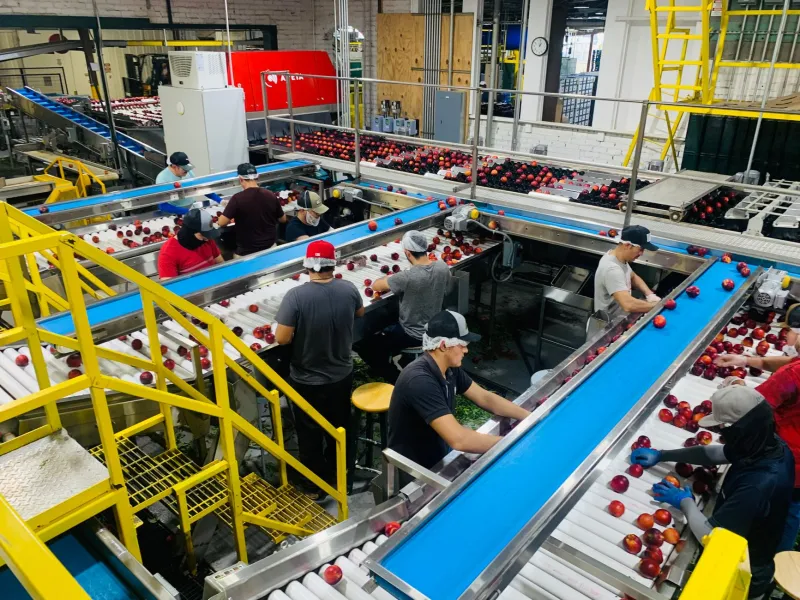
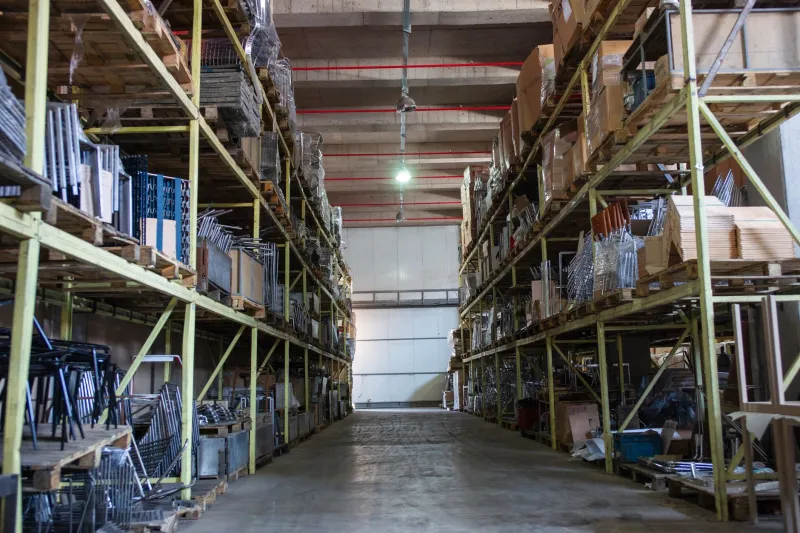
You've done everything right. You compared prices, read the reviews, snagged free shipping, and hit that checkout button with confidence. But from that moment forward, your order enters a world most shoppers never see — a sprawling, high-speed ecosystem of conveyor belts, scanner guns, and human hands working around the clock. We reached out to current and former warehouse associates, package handlers, and fulfillment center employees across the US to get the real story. Spoiler: there's a lot your tracking number isn't telling you.
The First Few Hours Are More Chaotic Than You Think
Most shoppers assume that once an order is confirmed, it glides smoothly into a queue and gets picked, packed, and shipped in tidy sequence. That's not quite reality.
"The first wave of orders every morning is fine," said one fulfillment associate who has worked at a major distribution center in Ohio for three years. "But by mid-afternoon, especially around sales events or the holidays, things get stacked up. We're talking thousands of items moving through a single shift. Mistakes happen — wrong items get pulled, labels get misapplied. It's not malicious, it's just volume."
This is worth knowing because timing your order strategically can actually reduce the odds of a fulfillment error. Workers we spoke with consistently said that orders placed early in the morning on weekdays — particularly Tuesday through Thursday — tend to move through the system more cleanly than those placed during peak weekend hours or right before a major sale event kicks off.
What 'In Transit' Really Means
Once your package leaves the fulfillment center, it often passes through multiple carrier hubs before reaching your local delivery facility. That "in transit" status on your tracking page? It can cover a lot of ground — sometimes literally.
A former package handler at a regional shipping hub in Texas explained it plainly: "Your box might get scanned in Dallas, sit on a truck overnight, get transferred in Memphis, and then sit again before it heads to your city. Every one of those handoffs is a chance for something to go sideways if it's not packed well."
He was quick to add that the vast majority of packages arrive without issue — but the ones that don't usually share a common trait: inadequate internal packaging. Thin cardboard, minimal cushioning, and items that shift around inside the box are the usual culprits when something shows up damaged.
The Handling Reality Nobody Talks About
Here's the honest truth that fulfillment workers want you to understand: packages are not handled like fragile heirlooms, even when the label says "fragile." Conveyor systems move fast. Sorting machines don't read stickers. And at peak times, human sorters are working at a pace that doesn't allow for gentle individual attention to each box.
"I've seen 'fragile' boxes go down the same chute as everything else," admitted a sorter who works for a national carrier. "We try, but when you're moving thousands of packages an hour, you can't hand-carry each one."
The takeaway here isn't that carriers don't care — it's that the burden of protective packaging falls more heavily on the seller (and on you, when you're shipping returns) than most people realize. Workers universally agreed: if a product arrives to you already in flimsy packaging, you should factor in the risk before assuming it'll survive the return trip.
Insider Timing Tips That Actually Work
Beyond order placement timing, the workers we spoke with had some genuinely useful advice for shoppers who want their packages to arrive faster and in better condition.
Avoid ordering during the first 48 hours of a major sale. Fulfillment centers get slammed, errors spike, and carrier networks get congested all at once. If you can wait two or three days into a sale event, you'll often still get the discount and your order will move through a less chaotic system.
Check your delivery window before choosing shipping speed. One fulfillment center supervisor pointed out that a "2-day shipping" promise is measured from when the item actually ships — not from when you place the order. If a warehouse is backed up, your item might not ship for 24 hours, making that "2-day" window effectively three or four days from purchase.
Ship to a secure location whenever possible. Porch theft is real, but so is weather damage. Workers noted that packages left on exposed doorsteps in rain or extreme heat can suffer damage that has nothing to do with how carefully they were handled in transit.
How to Pack Your Returns Like a Pro
This is where fulfillment workers had the most pointed advice — and it's something the average shopper never thinks about until a return goes wrong.
When you send something back, that package goes through the exact same high-volume, high-speed system it came from. If you just toss the item back in the original box with the original packaging loosely stuffed around it, you're asking for trouble.
Here's what the pros recommend:
- Re-secure all original padding. If the item came with foam inserts, molded plastic trays, or air pillows, put them back exactly as they were. They were designed to hold that specific item.
- Add extra cushioning if the box has been dented or compressed. A box that's already taken a hit has weakened structural integrity. Reinforce it with additional bubble wrap or packing paper.
- Tape all seams, not just the top. Workers said they regularly see returned packages that have burst open at the bottom seam mid-transit because the original tape was reused without reinforcement.
- Print your return label clearly and cover the old label completely. Misrouted returns are more common than you'd think, and a partially covered old label is often the culprit.
One returns processing associate put it simply: "We're not trying to lose your return. But if the box falls apart or we can't read the label, there's not much we can do."
What This Means for How You Shop
None of this is meant to make you paranoid about online shopping — the system works remarkably well the vast majority of the time. But understanding what happens behind the scenes gives you real leverage as a consumer. Order at smarter times, pay attention to packaging quality when you receive items, and treat your returns with the same care you'd want applied to a new purchase.
The people moving your packages are working hard in demanding conditions. And a little knowledge about their world can make your shopping experience — from click to doorstep and back again — go a whole lot smoother.