Same ZIP Code, Different Wait: The Hidden Logic Deciding When Your Package Actually Shows Up
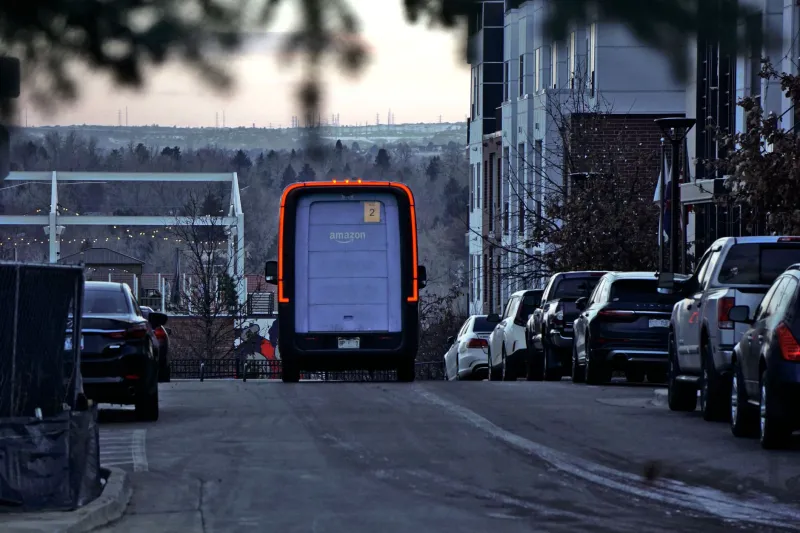
You ordered a blender on Monday. Your neighbor — literally three houses down — ordered the exact same blender from the exact same marketplace. Hers showed up Wednesday. Yours didn't arrive until Saturday. You both paid for standard shipping. You're in the same ZIP code. What gives?
Welcome to one of online shopping's most frustrating invisible systems: the delivery routing algorithm. It doesn't care about fairness. It cares about efficiency. And depending on where you live, how your address is formatted, and which fulfillment center happened to have your item in stock, you could be waiting days longer than your neighbor for no obvious reason at all.
It Starts Long Before the Truck Leaves the Warehouse
Most people assume shipping speed is determined at checkout. You pick standard or express, you pay (or don't), and the clock starts. But the real sorting happens much earlier — at the fulfillment center level, before your package ever gets a label.
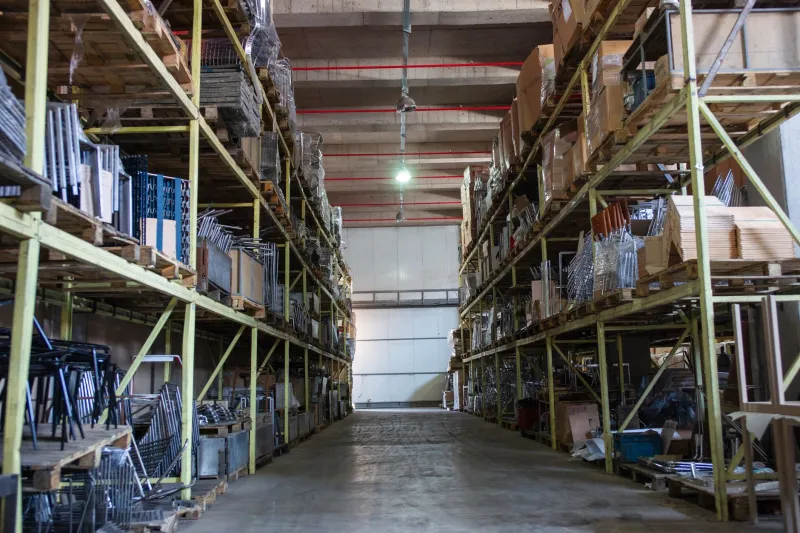
Large marketplaces operate networks of regional warehouses strategically placed across the country. When you place an order, an automated system decides which warehouse fulfills it based on proximity, current inventory levels, and carrier contracts in that region. If the closest warehouse to you is out of stock, your order gets bumped to a facility that might be two states away — and suddenly your "2-day" delivery estimate quietly becomes a 5-day reality.
That gap between your delivery and your neighbor's? It could simply be that their item was stocked at the nearby facility and yours wasn't.
Your Address Is Being Judged
Here's something that surprises a lot of shoppers: the specific way your address is written can affect how quickly it gets processed. Carrier systems — especially those using automated routing software — depend on clean, standardized address data. If your apartment number is formatted oddly, tucked into the wrong field, or abbreviated in a way the system doesn't recognize, your package can get flagged for manual review.
Manual review means a human has to look at it. Humans aren't available 24/7. That delay can push your delivery out by a full day, sometimes two.
Apartment dwellers tend to feel this more than homeowners. Multi-unit buildings introduce complexity: buzzer codes, locked lobbies, package rooms with different access rules. Carriers route these stops differently than single-family homes, and in dense urban areas, drivers sometimes deprioritize buildings that require extra steps — especially during high-volume periods like the holidays.
Neighborhood Density Changes Everything
Logistics companies optimize routes the same way a GPS app does: they're looking for the most stops in the least amount of time. Dense neighborhoods with lots of houses close together are goldmines for delivery efficiency. A driver can hit 30 addresses in an hour in a tight suburban grid.
Rural addresses? Completely different math. A single delivery might require 20 extra minutes of driving each direction. Carriers account for this in their routing, which often means rural stops get consolidated — your package waits at a distribution hub until there are enough deliveries in your area to justify the trip. That's not cruelty, it's logistics. But it means rural shoppers routinely wait longer even when estimated delivery dates suggest otherwise.
Suburban areas on the outskirts of a metro zone can hit a weird middle ground too. Close enough to the city that the system thinks you're in a fast-delivery corridor, but just far enough that you're actually at the tail end of a route — meaning your package arrives at 7 p.m. instead of noon.
The Carrier Handoff Problem
Another factor most shoppers don't think about: many marketplace deliveries involve multiple carriers. A package might leave a fulfillment center with one major carrier, then get handed off to a regional carrier or the USPS for final-mile delivery. Each handoff is a potential delay point, and the rules about when and how those handoffs happen vary by region.
Some areas have robust regional carrier networks that actually speed things up. Others rely on last-mile partners with limited capacity, especially outside major metros. Your neighbor might be in a zone served by a carrier with a strong local presence. You might be in a zone where that same carrier hands off to a slower partner.
You almost certainly can't tell which situation you're in from the checkout page.
What You Can Actually Do About It
Okay, so the system is complicated and not entirely in your favor. That doesn't mean you're helpless. A few practical moves can meaningfully improve your delivery experience.
Double-check your address formatting. Use the USPS address standardization tool (usps.com) to see how your address appears in their system. If there's a discrepancy between what you've saved in your shopping accounts and what USPS recognizes, fix it. Matching formats reduce the chance of processing delays.
Pay attention to fulfillment location clues. Some marketplaces show you which warehouse or seller is shipping your item. If you're buying something fulfilled by the marketplace itself versus a third-party seller, shipping timelines can differ significantly. When speed matters, filter for marketplace-fulfilled options.
Use delivery windows strategically. Ordering early in the week — Monday or Tuesday — tends to result in more reliable delivery estimates than ordering Thursday or Friday. Weekend volumes are high, and packages that miss a Wednesday sort cycle often don't get back on track until Monday.
Sign up for carrier delivery alerts. Most major carriers offer free text or email notifications. These won't speed up your package, but they'll give you a realistic picture of where things actually stand — so you're not refreshing a tracking page that hasn't updated in 36 hours.
Consider a delivery locker or pickup point. If you live somewhere with access issues — a locked building, a rural route, a neighborhood with chronic porch theft — redirecting packages to a carrier locker or a retail pickup location can actually speed things up. Drivers can service these stops faster, which sometimes means your package gets there sooner than a home delivery would.
The Bigger Picture
Delivery speed inequality is real, and it's baked into the infrastructure of modern e-commerce. The good news is that awareness is half the battle. Once you understand that your address, your neighborhood's density, and the warehouse inventory situation all play a role, you stop taking slow deliveries personally — and you start making smarter choices at checkout.
Next time your neighbor's package beats yours to the door, you'll know exactly why. And maybe, with a few tweaks, you'll be the one answering the door first.